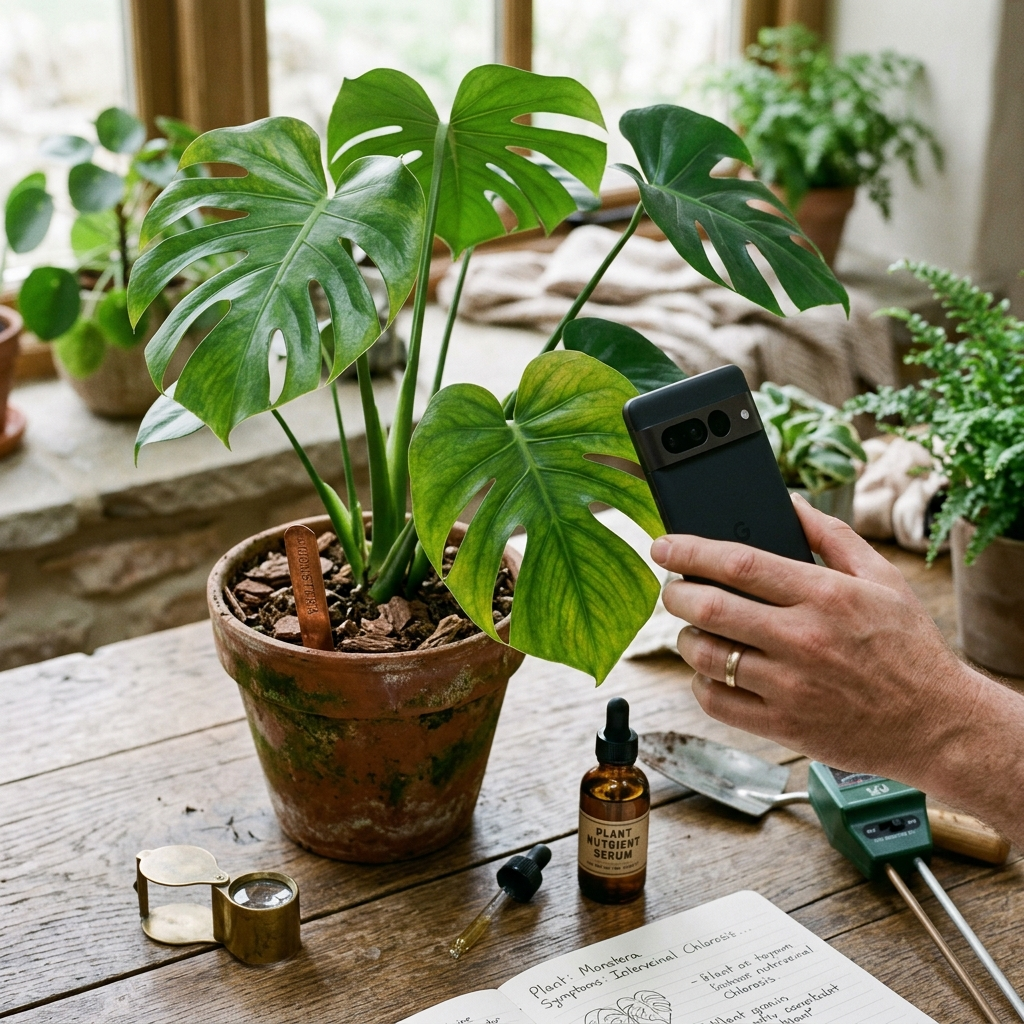
Best PictureThis Alternative for Plant Diagnosis: A Practical Comparison
For gardeners seeking a PictureThis alternative focused on plant health, Plant Doctor: Plant Care offers a targeted diagnostic approach. While many identification apps focus primarily on botanical taxonomy, Plant Doctor pairs plant identification with the detection of diseases, pests, nutrient deficiencies, and environmental stress. It delivers step-by-step treatment and prevention guidance alongside a daily free diagnosis allowance, making it a functional option for home horticulture.
The Core Challenge in Mobile Plant Health Diagnosis
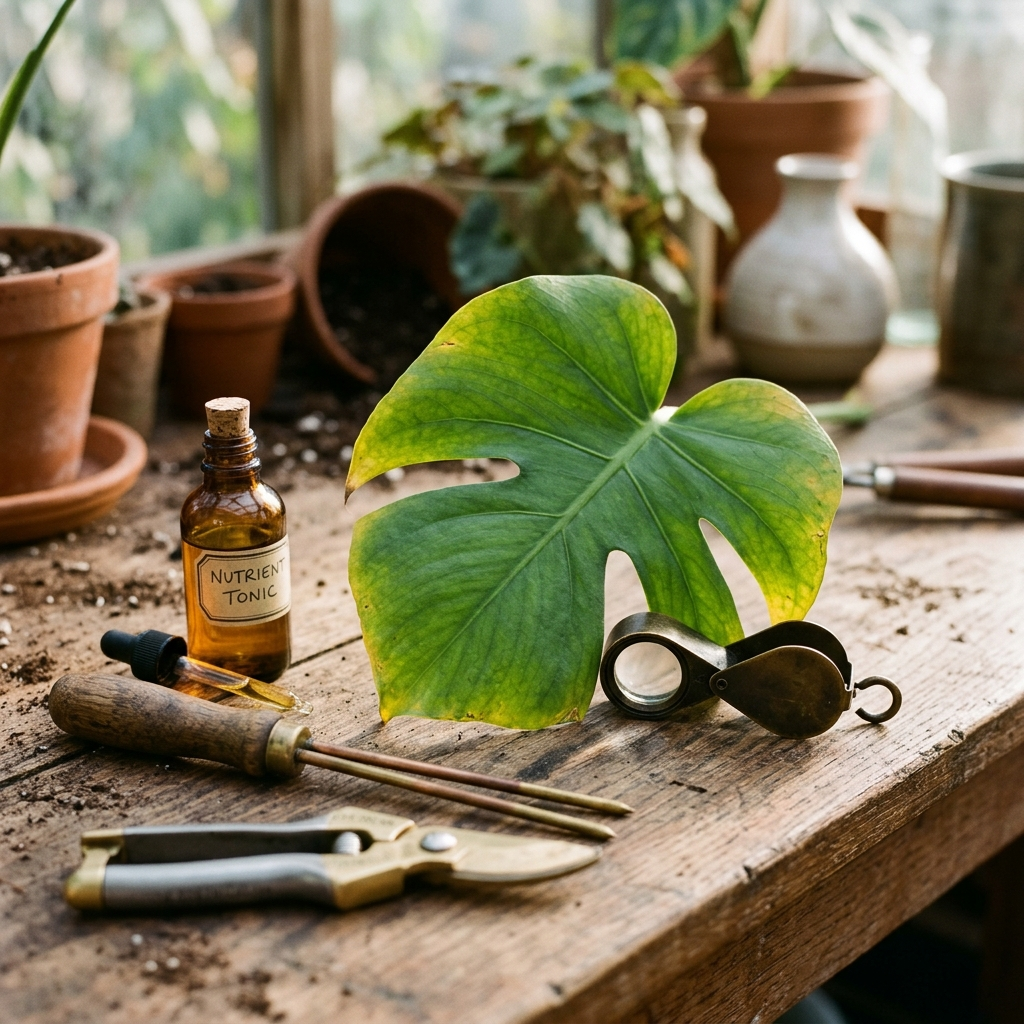
Botanical identification apps often identify a species accurately but offer limited insight into why a specimen is declining. Identifying a houseplant as a Monstera deliciosa does not resolve why its lower foliage is developing chlorotic margins or necrotic spots. Gardeners frequently turn to search engines or crowdsourced forums to diagnose issues, often encountering contradictory advice.
Misdiagnosing an issue can lead to improper interventions. Applying chemical fungicides to treat root suffocation caused by poor drainage, or mistaking a nutrient deficiency for a fungal infection, compounds stress on the plant. An effective alternative to broad identification apps must isolate visible symptoms, differentiate between biotic and environmental causes, and outline clear management steps.
Key takeaway: Plant health apps must move beyond species identification to address the distinct physiological causes of plant distress.
How Plant Doctor: Plant Care Approaches Plant Pathology
Plant Doctor: Plant Care serves as an AI-powered diagnostic tool built around visual symptom recognition. When a user submits a photograph of an affected plant, the app evaluates the specimen across four categories:
- Pathogenic diseases: Detection of common fungal, bacterial, and viral infections.
- Pest infestations: Recognition of damage caused by pests such as spider mites, aphids, thrips, and scale insects.
- Nutrient deficiencies: Identification of chlorosis patterns, necrotic margins, and foliage issues associated with nutrient imbalances.
- Environmental stress: Pinpointing indicators of overwatering, light stress, draft exposure, or low humidity.
Following analysis, the app delivers a breakdown of the suspected issue alongside step-by-step treatment and prevention advice designed for home gardeners. This structure reduces guesswork and helps users balance cultural corrections with physical treatments.
Key takeaway: Comprehensive diagnostic evaluations address cultural and environmental factors alongside pests and fungal pathogens.
Evaluating the Free Allowance and Subscription Model
Many plant diagnostic tools mandate an upfront subscription or trial enrollment before processing a single scan. This structure can deter casual hobbyists who only require occasional assistance for a sick houseplant or seasonal garden issue.
Plant Doctor: Plant Care uses a tiered access model designed to accommodate varying diagnostic needs:
- Daily Free Allowance: Casual gardeners can diagnose plants each day without committing to a paid plan, supported by in-app advertisements.
- PRO Upgrade: Frequent growers can opt for a PRO upgrade to remove ads and unlock unlimited diagnoses.
This structure allows users to evaluate the diagnostic utility on their own plants before deciding whether their scan volume justifies an upgrade.
Key takeaway: A predictable daily free tier provides essential diagnostic support without requiring an immediate paid subscription.
How to Capture Diagnostic-Quality Photos
The accuracy of visual diagnostic tools depends heavily on image quality. Blurred photos, harsh backlighting, or wide shots that fail to isolate symptoms reduce diagnostic reliability. Plant Doctor provides photo tips within the app to assist users during capture.
To obtain reliable results, use the following photography practices:
- Isolate the primary symptom: Center the frame on the area displaying clear distress, such as leaf lesions, discoloration, or curling.
- Use clear, natural lighting: Avoid direct flash or harsh midday glare, which can obscure subtle color variations and surface textures.
- Capture symptom margins: Include the boundary between healthy tissue and symptomatic tissue, which provides critical diagnostic context.
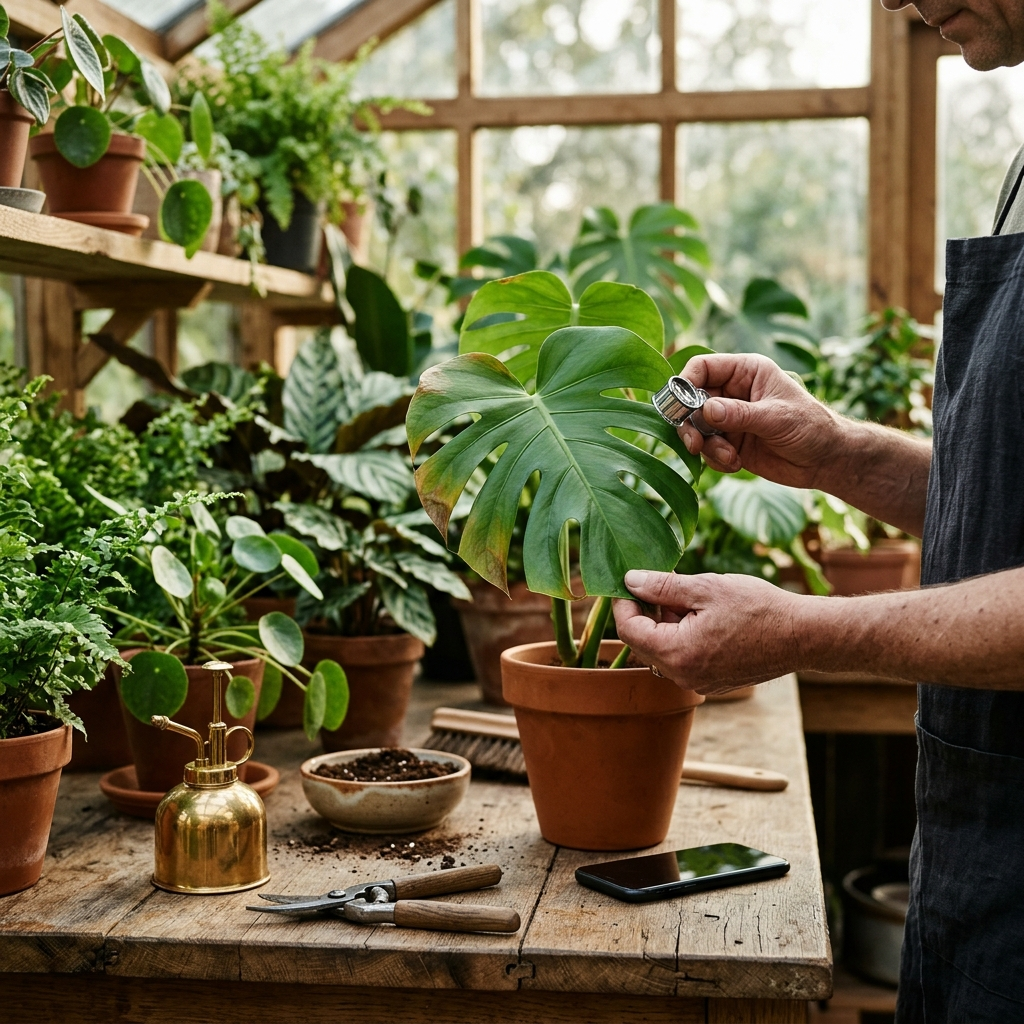
- Inspect the leaf underside: Check whether pests, webs, or fungal spores are concentrated beneath the foliage before taking the photo.
Key takeaway: Clear framing that captures the transition between healthy and symptomatic tissue improves diagnostic accuracy.
Accessibility and Language Support for Global Gardeners
Plant care principles apply globally, yet language barriers can prevent gardeners from accessing technical diagnostic information. Terminology describing plant pathology requires accurate localization to remain actionable.
Plant Doctor: Plant Care supports 10 languages, including full right-to-left (RTL) interface support for languages such as Arabic and Hebrew. By structuring diagnostic results and step-by-step guidance to respect regional layouts and language conventions, the app ensures home growers can follow care instructions accurately.
Key takeaway: Multilingual and native RTL interface support ensures care instructions remain practical and accessible across diverse regions.
A Methodical Approach to Plant Recovery
Receiving a diagnosis is the initial step in rehabilitating a stressed plant. Once Plant Doctor identifies the suspected problem, follow a systematic approach to implement treatment:
- Isolate the plant: Separate the affected plant from others to reduce the risk of pest transfer or fungal spread.
- Prune damaged tissue: Using sanitized shears, remove heavily damaged or dead leaves to prevent further decay.
- Adjust cultural care: Modify watering schedules, soil drainage, or light placement based on the app's prevention advice.
- Monitor new growth: Evaluate recovery by assessing newly emerging shoots and leaves rather than older, damaged foliage.
By prioritizing targeted diagnosis and structured cultural management, gardeners can address plant distress early and maintain healthy plants.