Top Nutrition Tracking Apps for Weight Loss and Muscle Gain: Choosing the Right Approach
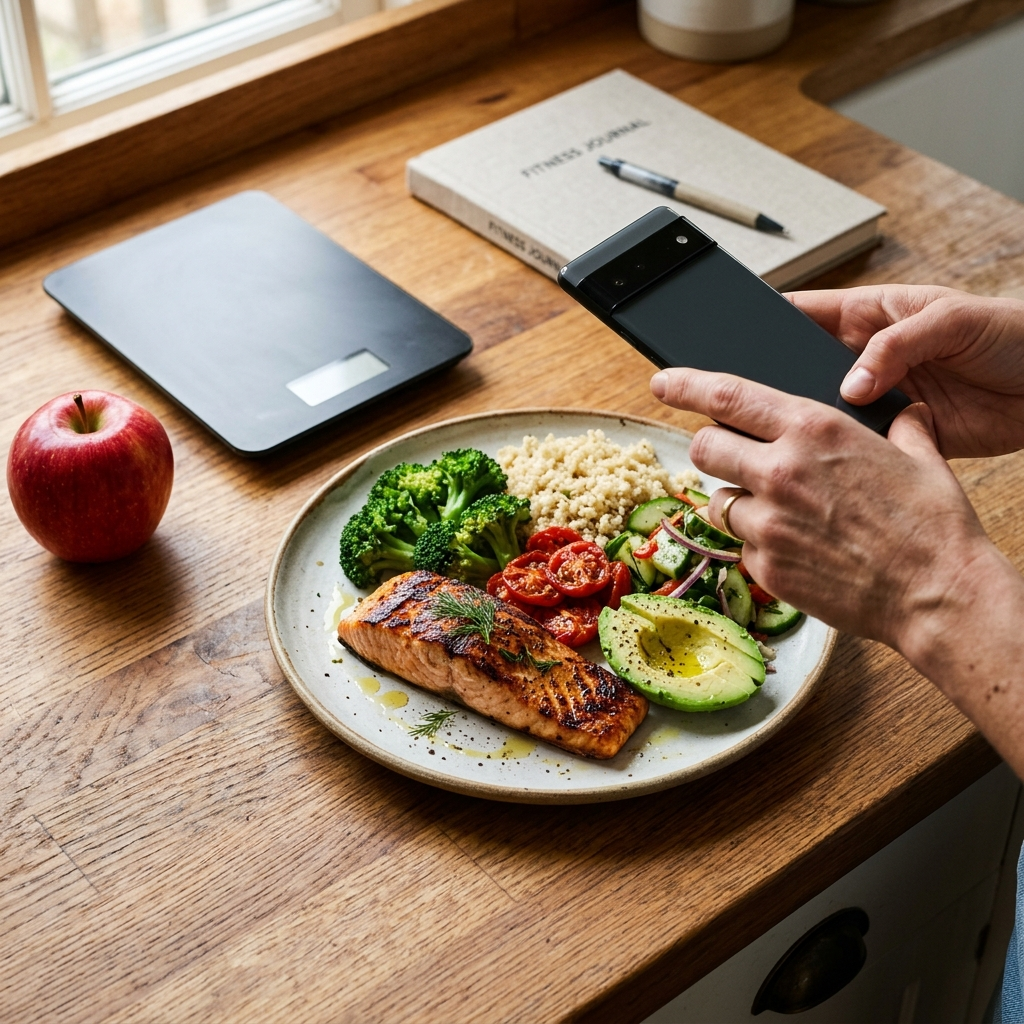
Effective nutrition tracking apps for weight loss and muscle gain combine accurate macronutrient breakdowns with low-friction logging methods that support daily adherence. Photo-based trackers like Food Ai (Foodly) pair automated image analysis with manual override controls to balance speed and precision. Choosing the right platform depends on whether your primary obstacle is logging consistency, macro distribution tracking, or portion estimation.
Whether you are managing a calorie deficit to reduce body fat or a surplus to build muscle, dietary adherence requires consistent data. Most nutrition plans fail not from an inaccurate target, but from logging fatigue. Searching large text databases, weighing every ingredient, and manually entering multi-ingredient meals often cause users to stop tracking within weeks. Evaluating how different app categories handle data entry and analysis helps you select a tool you will use consistently.
Why Logging Friction Determines Nutrition Success
Calorie and macronutrient tracking works only when your log reflects your actual intake across full weeks rather than isolated days. When an app requires several minutes of manual searching per meal, users often skip logging snacks, cooking oils, or restaurant dishes. These omissions create significant gaps between recorded intake and actual consumption.
Modern nutrition trackers reduce this gap by cutting the steps between preparing a meal and recording its nutritional profile. Effective tools prioritize workflow efficiency alongside data transparency.
Section Takeaway: Consistency matters more than occasional perfection in nutrition logging; select an app that minimizes the time needed to record complex meals.
Core Categories of Nutrition Tracking Apps
Nutrition apps generally fall into three functional models based on how they capture food data and present feedback. Understanding these distinctions clarifies which tool fits your goals.
1. AI Photo Recognition Trackers (Food Ai / Foodly)
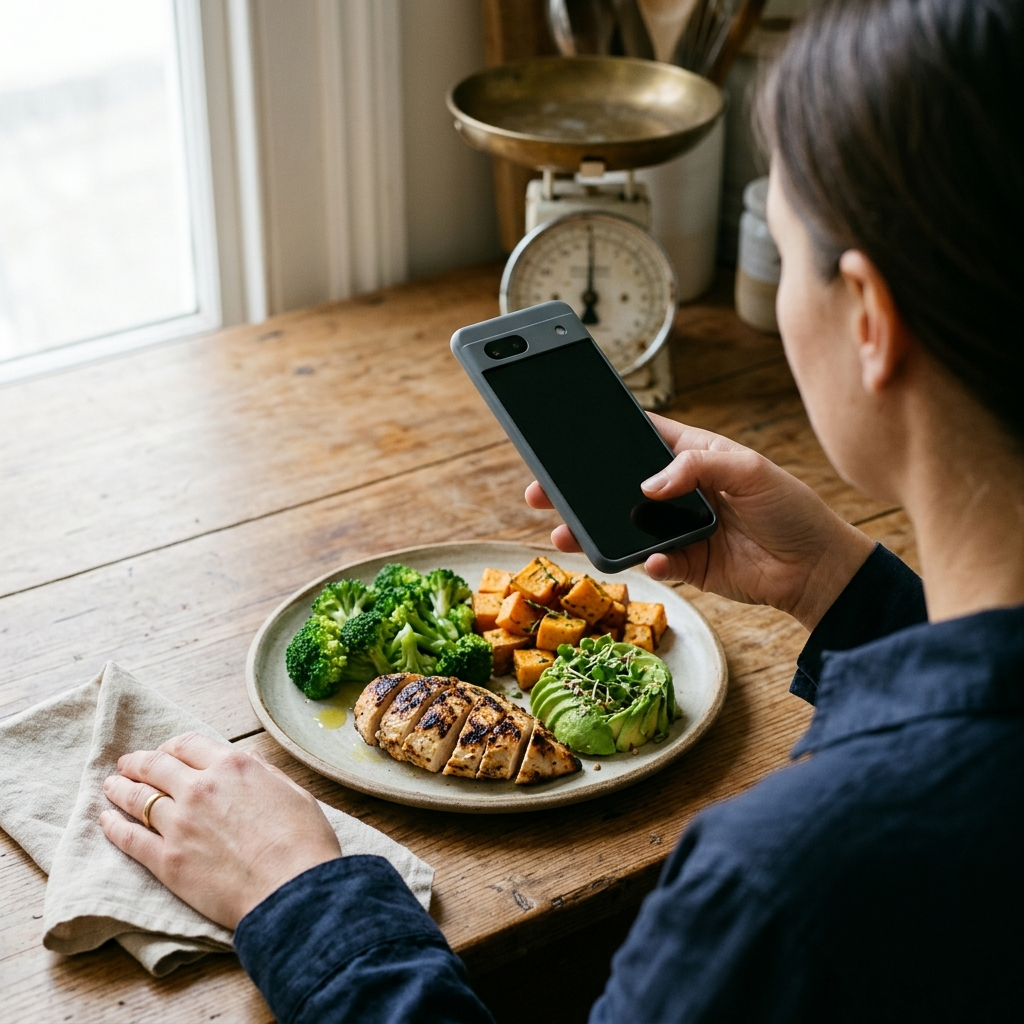
Photo-based trackers analyze meal images to identify food items and estimate portion sizes. In Food Ai (Foodly), taking a photo of a meal generates an immediate breakdown of calories, protein, carbohydrates, and fats. To prevent overreliance on automation, the app provides confidence scores for its estimates and includes a manual override feature so users can review and adjust ingredients or portions as needed.
2. Traditional Manual Database Loggers
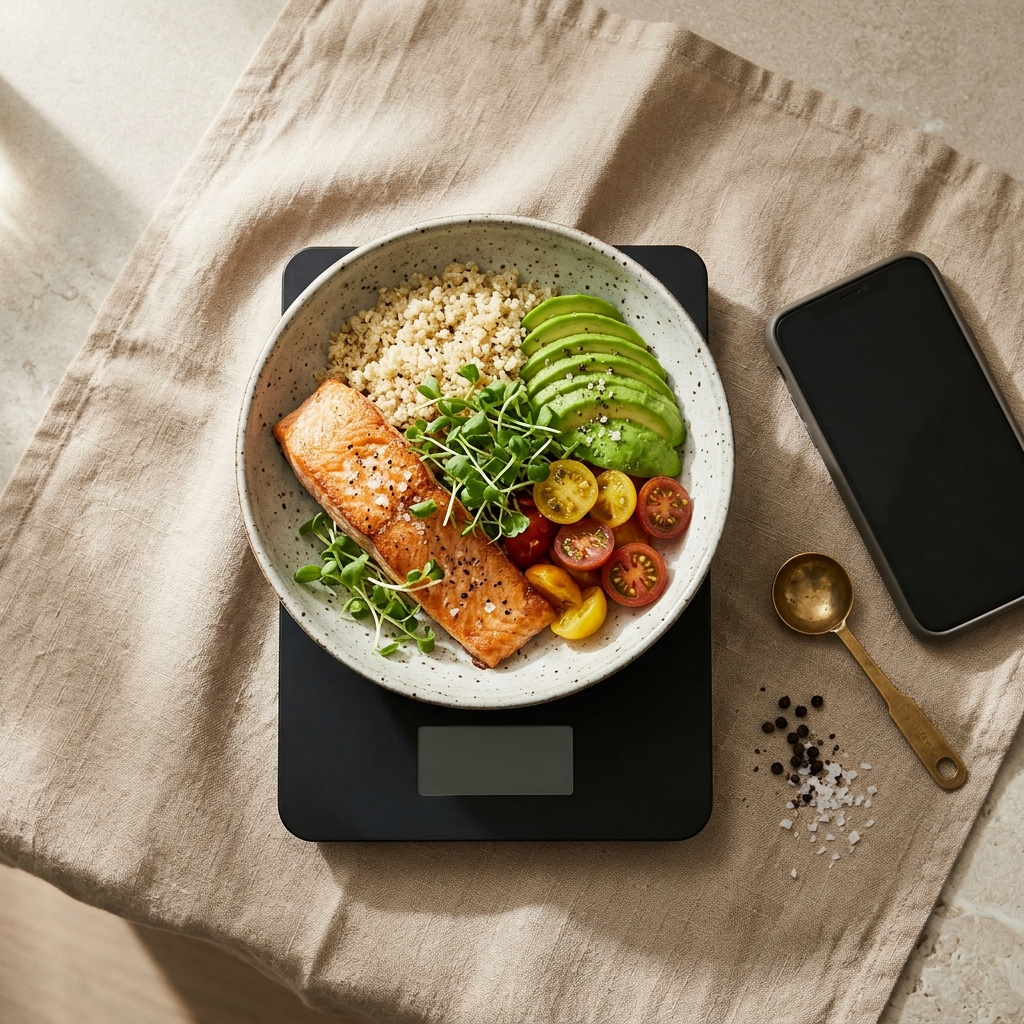
Manual trackers rely on searchable food databases and barcode scanners. They work well for people who eat mostly packaged foods with nutrition labels or who weigh raw ingredients on a kitchen scale. However, they require more guesswork and effort when dining out or eating mixed home-cooked meals.
3. Coaching and Adaptive Macro Platforms
Adaptive platforms focus on weekly check-ins and target adjustments based on weight trends. While useful for long-term planning, many still require manual entry for daily food logging, which can be time-consuming for beginners or busy users.
Section Takeaway: Match your tracking method to your eating habits; photo recognition with manual adjustment suits mixed meals and busy schedules, while manual databases suit packaged diets.
How to Configure Your Tracker for Weight Loss vs. Muscle Gain
Weight loss and muscle gain require different monitoring priorities in your dashboard. While total calorie intake determines weight changes, macronutrient distribution affects body composition.
- For Weight Loss (Caloric Deficit): Prioritize real-time tracking of your remaining daily calorie budget alongside protein intake. Maintaining adequate protein during a deficit helps preserve lean mass and manage hunger. Use weekly trend charts rather than single-day fluctuations to confirm that your average intake stays below maintenance.
- For Muscle Gain (Caloric Surplus): Focus on meeting consistent protein and carbohydrate targets throughout the week. Carbohydrates support resistance training, while a controlled calorie surplus limits unwanted fat gain. Visual macro breakdowns help verify that extra calories come from intended macronutrients rather than unlogged fats.
Section Takeaway: Use real-time calorie budgets to manage deficits for fat loss, and use visual macro breakdowns to ensure surpluses support muscle growth.
How Food Ai Balances Speed and Nutritional Precision
A common limitation of automated food trackers is that visual estimates alone can miss hidden fats or dense sauces. Food Ai addresses this through a verification workflow that keeps the user in control of the final log.
Smart Confidence Scoring and Manual Override
When you take a meal photo in Food Ai, the app evaluates the certainty of its analysis. Its confidence scoring shows how reliably the system identified the foods and portions on the plate. If a dish contains hidden ingredients—such as olive oil in a dressing or protein powder mixed into oatmeal—you can use the manual override tool to adjust the AI estimates for accuracy.
Comprehensive Dashboard and Trend Analytics
Recording meals is only half the process; reviewing the data guides adjustments. Food Ai organizes intake into a real-time dashboard showing consumed calories, remaining daily budget, and a visual breakdown of protein, carbohydrates, and fats. Interactive weekly trend charts help you identify recurring patterns, such as weekend calorie surpluses or low weekday protein intake, before they slow your progress.
Section Takeaway: Combining photo analysis with confidence scores and manual overrides provides the speed of automated logging without sacrificing the accuracy needed for body composition goals.
Step-by-Step Checklist for Accurate Daily Nutrition Tracking
To get reliable results from an AI-assisted nutrition tracker like Food Ai, follow this logging routine:
- Complete Smart Onboarding Accurately: Enter your age and baseline details during setup so your initial calorie and macronutrient targets match your starting point.
- Capture Clear Meal Photos Before Eating: Take photos from an angle that shows all items on the plate rather than stacked or hidden portions.
- Check the Confidence Score: Review the AI confidence rating on each analyzed item to see where visual estimates may need manual verification.
- Apply Manual Overrides for Hidden Ingredients: Adjust portion sizes or add cooking fats, dressings, and sauces that are not visible in the photo.
- Review Your Macro Breakdown Before Dinner: Check your visual macro distribution mid-afternoon so you can adjust your final meal to meet remaining protein or calorie targets.
- Audit Weekly Trend Charts Every Seven Days: Evaluate your weekly intake consistency alongside changes in your progress rather than overreacting to a single off-plan meal.
Section Takeaway: A consistent six-step routine turns meal photos into reliable nutritional data that supports long-term progress.
Conclusion
Selecting a nutrition tracking app comes down to balancing analytical detail with daily convenience. By combining photo analysis, confidence scoring, manual overrides, and weekly trend charts, Food Ai (Foodly) reduces the friction of manual calorie counting while keeping macro data clear. Set your goals during onboarding, review and adjust your meal estimates as needed, and use consistent weekly data to guide your weight loss or muscle gain plan.
Frequently Asked Questions
Yes, when they include verification controls. Food Ai pairs photo analysis with confidence scoring and a manual override feature, allowing you to review and adjust food items or portion estimates for macro accuracy.
Total calorie intake determines whether you lose or gain weight, while dietary protein is the most important macronutrient for both goals. Adequate protein helps preserve lean muscle during a calorie deficit and supports muscle repair during a calorie surplus.
Log the meal as accurately as possible and review your weekly trend analysis rather than drastically cutting calories the next day. Long-term weight loss and muscle gain depend on weekly nutritional averages rather than a single day's intake.
Food Ai replaces manual database searches with photo analysis that identifies foods and estimates calories, protein, carbs, and fats automatically, while displaying your remaining daily budget on a real-time dashboard.