Can AI Replace Walking Tour Guides for International Travel?
Artificial intelligence cannot fully replace licensed human tour guides, but it offers a practical alternative for independent travelers who prefer flexibility and lower costs over group tours. While human guides provide personal anecdotes and cultural context, AI-driven travel apps supply landmark identification, self-paced navigation, and on-demand audio narration.
The Core Friction of Traditional Guided Tours
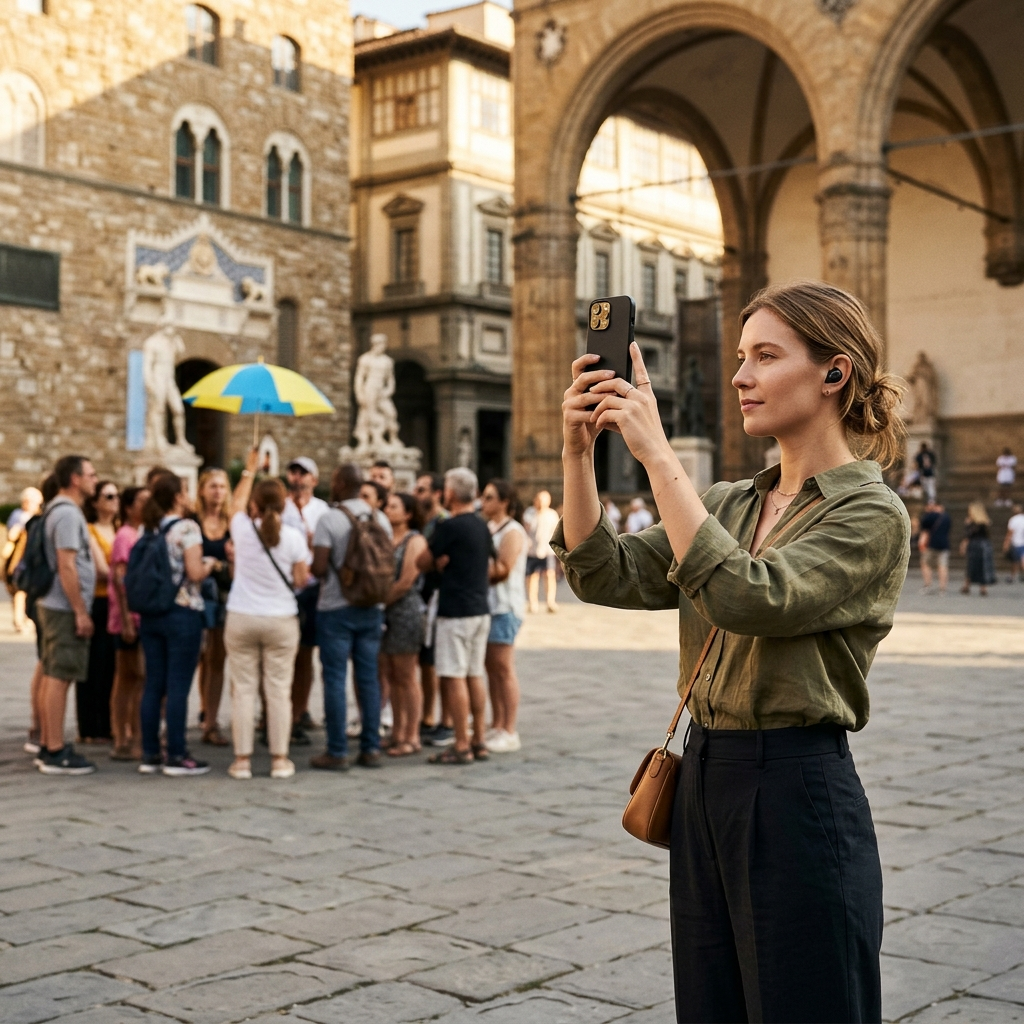
Arranging guided walking tours abroad often introduces logistical constraints. Fixed departure times limit spontaneous exploration and require visitors to keep pace with a group. In popular destinations, language barriers, large group sizes, and per-person booking fees can also detract from the experience.
Conversely, self-guided exploration without reference material can leave travelers viewing historic architecture without adequate context. Traditionally, travelers had to choose between structured commentary and individual autonomy.
Visual Identification: Instant Recognition Versus Group Lectures
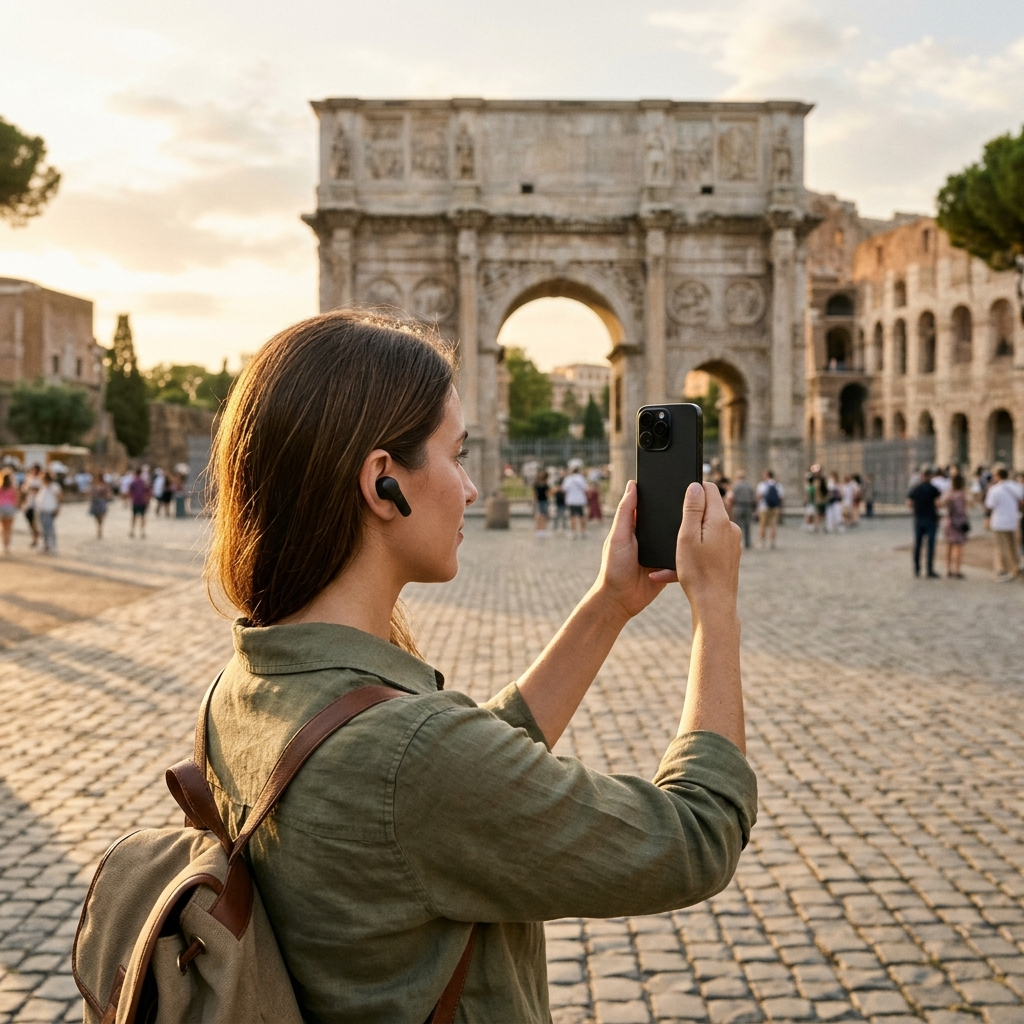
Human guides can identify monuments quickly and answer questions about surrounding architecture. AI landmark scanners offer a comparable capability through visual recognition. Travelers can take a photo of an unfamiliar facade or select a video thumbnail from their gallery to locate the corresponding place in a catalog.
Apps such as Aitour: AI Travel Guide match real-world photos directly to cataloged points of interest. Instead of waiting for a tour group assembly, travelers can immediately read place details, review historical background, or listen to audio descriptions.
- Speed of context: Identification occurs once the landmark photo is captured.
- Visual flexibility: Travelers can identify sites on location or review video thumbnails from their gallery later.
- Custom pacing: Visitors explore details independently rather than following a fixed group schedule.
On-Demand Narration and Interactive Context
Traditional walking tours deliver a single scripted presentation to an entire group. AI tour assistants provide voice-guided walking tours that users can pause, resume, or replay while exploring hands-free.
These tools also support interactive inquiries. While listening to text-to-speech place descriptions, travelers can use features like 'Ask AI' to ask specific questions about the site. This allows travelers to focus on their specific areas of interest rather than a general overview.
Where Human Guides Still Lead
Software cannot replicate every aspect of a local guide. Resident guides provide personal perspective, lived experience, and immediate assistance during itinerary disruptions. They can also explain local customs, navigate unexpected site closures, and direct visitors to neighborhood establishments.
Mapping, Route Customization, and Offline Utility
Organized walking tours follow set routes that may include crowded thoroughfares or predetermined commercial stops. AI travel apps combine interactive maps with custom itinerary planning so travelers can determine their own route.
In Aitour, travelers can view points of interest on an interactive Google Map, preview markers, and check distance from their current location. The app lets users organize destinations into named trips, adjust the sequence via drag-and-drop, and save favorite places. Offline functionality allows users to access saved places and descriptions without relying on international cellular data.
- Filter destinations: Search points of interest across names, descriptions, and categories.
- Structure itineraries: Create named trips and arrange stops using drag-and-drop tools.
- Preserve connectivity: Use offline features to review places without active data roaming.
Evaluating the Hybrid Approach
For most international travelers, the most effective approach combines both options depending on the activity.
Hiring a licensed local guide remains beneficial for complex archaeological sites or specialized culinary tours where firsthand human knowledge adds clear value. For general city exploration, flexible walking routes, and everyday neighborhood navigation, an AI travel guide like Aitour provides comprehensive place details and independent schedule management.
Frequently Asked Questions
No. While AI travel apps provide on-demand landmark identification, historical facts, and self-guided walking tours, human guides still offer personal storytelling, local context, and spontaneous assistance.
Apps use image recognition to match photos or gallery video thumbnails to an established catalog of points of interest, presenting written details and audio narration.
Apps like Aitour feature offline functionality, enabling travelers to explore saved places and listen to descriptions without using cellular data.