Do Sound Frequency Cleaner Apps Actually Fix Wet Speakers?
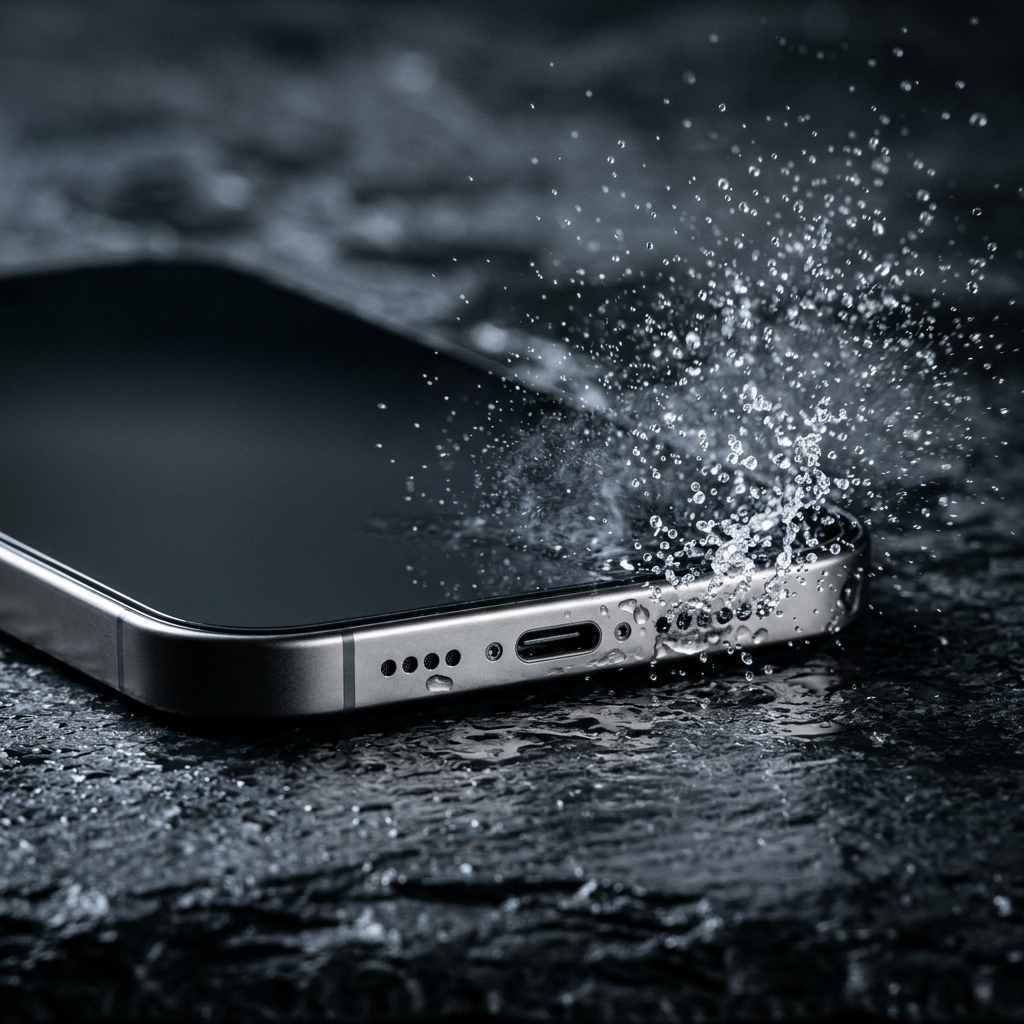
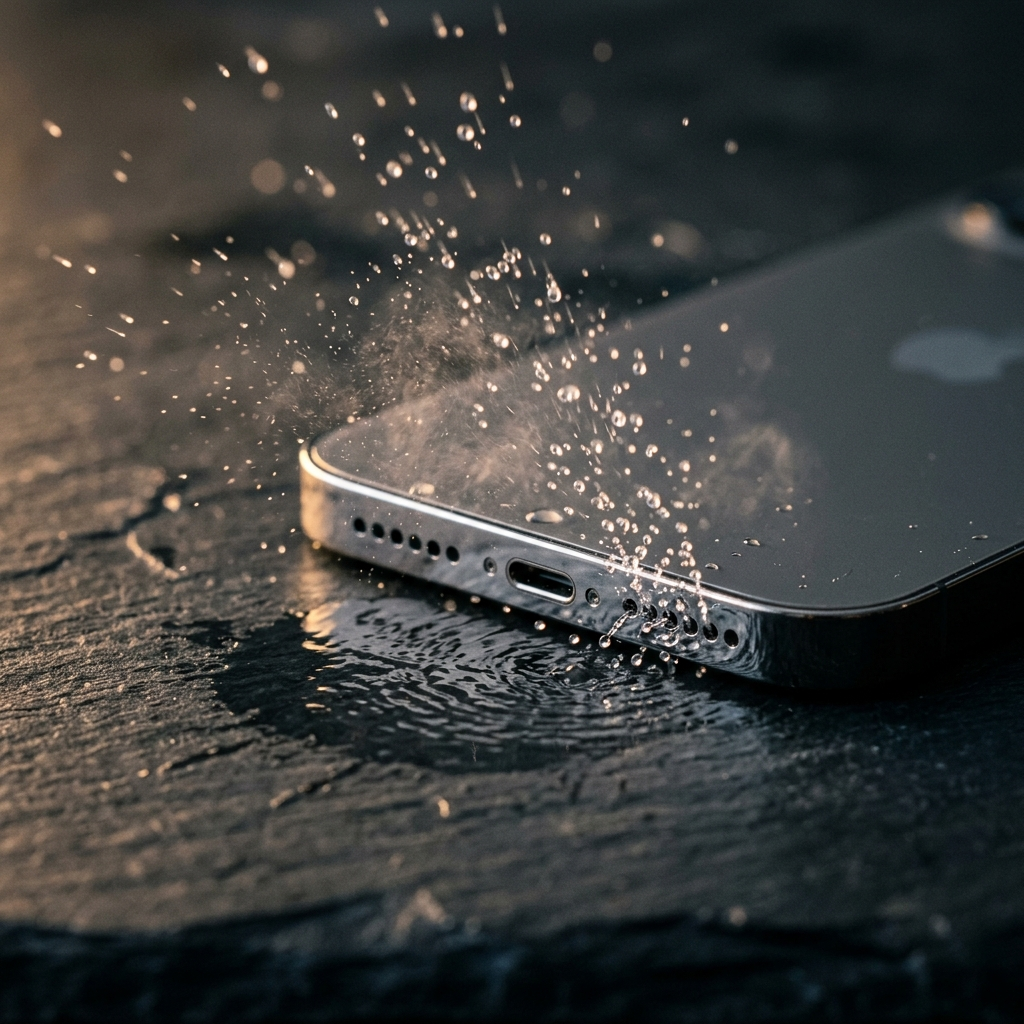
Sound frequency cleaner apps can dislodge surface moisture trapped in smartphone speaker grilles by generating low-frequency acoustic vibrations. While these tools can push liquid droplets off the speaker cone and exterior mesh, they cannot repair internal hardware damage or dry unsealed internal components.
The Immediate Risk of Water in Smartphone Speakers
Water exposure from rain or submersion frequently leaves smartphone audio muffled or distorted. Even on devices with IP67 or IP68 water-resistance ratings, liquid easily clings to the exterior speaker mesh. Surface tension holds these small droplets inside the micro-perforations of the grille.
Water trapped against the speaker diaphragm dampens its movement, preventing the driver from pushing air effectively. Leaving moisture in the acoustic cavity can eventually lead to mineral deposits, membrane corrosion, and persistent audio degradation.
Key takeaway: Muffled audio immediately following water exposure usually indicates blocked grille openings rather than permanent speaker failure.
The Physics Behind Low-Frequency Water Ejection
Smartphone speakers generate sound by converting electrical signals into rapid physical movements of a small diaphragm. Standard audio playback spans a wide frequency range optimized for voice and music clarity rather than mechanical displacement force.
Speaker Cleaner: Water Eject focuses on acoustic mechanics by playing sustained, loud sound waves around 165 Hz. At this low frequency, the speaker cone achieves larger physical excursions than during typical audio playback. These repetitive vibrations create rapid pressure pulses inside the speaker enclosure.
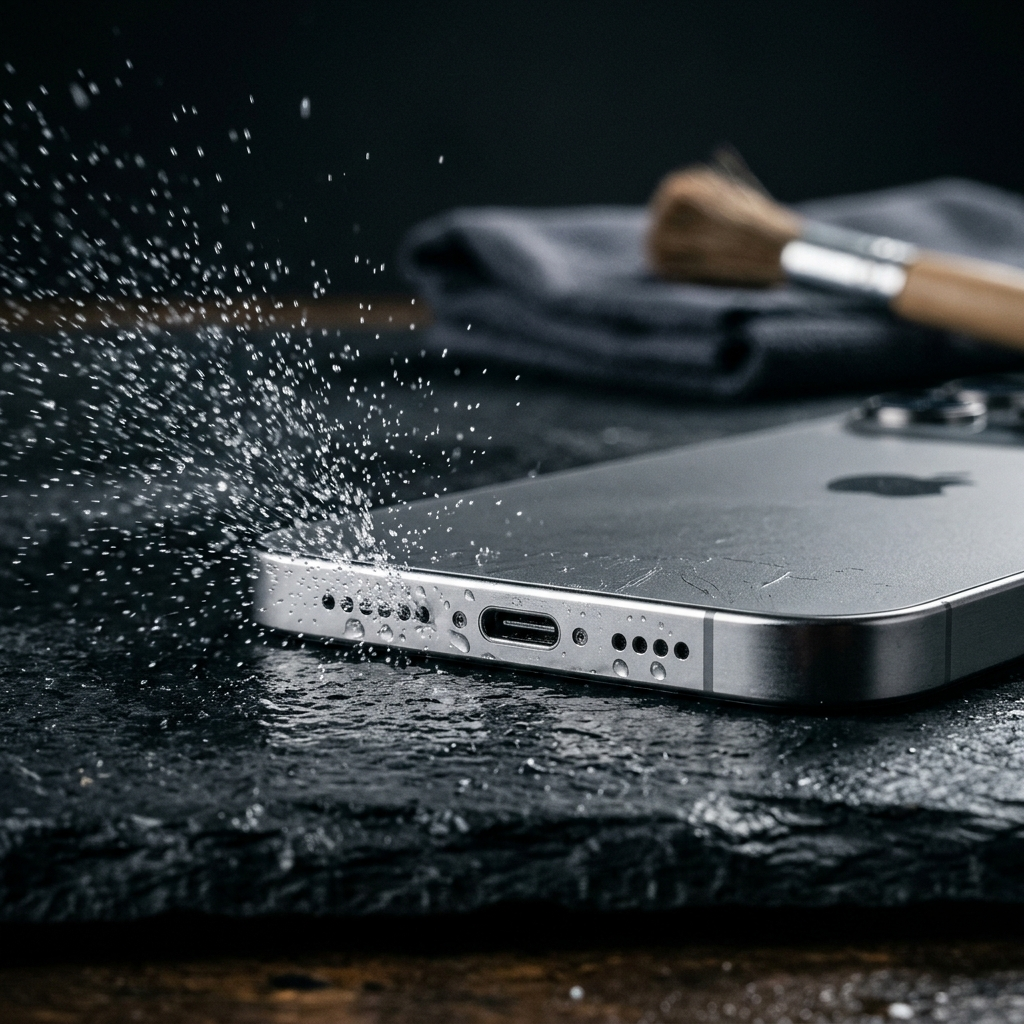
The kinetic force generated by the diaphragm overcomes the surface tension holding liquid inside the mesh. As air pulses outward through the grille, it drives the trapped droplets onto the exterior housing, where they can be wiped dry.
Key takeaway: The process relies on mechanical vibration and air displacement, not heat or evaporation.
Sound Waves Versus Common Home Remedies
Folk remedies for wet electronics often introduce secondary risks to delicate mobile hardware:
- Uncooked rice: Rice absorbs ambient moisture too slowly to prevent corrosion, leaves fine starch residue inside ports, and does not break the surface tension holding liquid in the grille.
- Hair dryers or heat guns: Concentrated heat can soften water-resistant seals, warp plastic speaker components, and degrade the battery.
- Compressed air: High-pressure blasts can push moisture past internal gaskets and deeper into internal circuitry.
- Acoustic vibration: Controlled sound emission uses the speaker's existing hardware to expel liquid without foreign contaminants, excess heat, or external pressure.
Key takeaway: Low-frequency acoustic displacement clears speaker grilles safely without abrasive residues or thermal stress.
Step-by-Step Procedure to Clear Trapped Moisture
To clear trapped moisture using sound frequencies:
- Remove any case or protective accessory that covers the speaker openings.
- Gently dry the phone exterior with a clean, lint-free cloth.
- Hold or place the phone with the affected speaker facing downward so gravity assists water evacuation.
- Turn media volume to maximum to allow full diaphragm movement.
- Open Speaker Cleaner: Water Eject and run the 165 Hz tone.
- Wipe away moisture droplets as they exit the speaker grille.
- Repeat the sequence two to three times if audio remains muffled.
Key takeaway: Angling the speaker downward enables gravity to work alongside sound pulses to clear expelled liquid.
Recognizing the Boundaries of Acoustic Cleaning
Acoustic cleaning operates only on air-coupled pathways where the speaker diaphragm directly vents outward. It has clear structural limits and cannot resolve deeper water intrusion:
- Internal component intrusion: Liquid that breaches internal seals and reaches the logic board, camera modules, or battery housing cannot be ejected by speaker sound waves.
- Corrosive fluids: Salt water, chlorinated water, and sugary drinks leave behind residues and minerals that require dedicated cleaning or repair.
- Physical driver tears: If pressure or impact has torn the speaker diaphragm, the component must be replaced.
If the device continues to crackle, distort, or fail to produce volume after drying, power it down and consult an authorized repair provider.
Key takeaway: Sound frequencies can clear surface liquid from the speaker grille, but they cannot fix internal corrosion or electrical faults.
Maintaining Speaker Clarity
Low-frequency sound cleaner apps provide a practical first step for removing water from wet phone speakers. By emitting targeted tones around 165 Hz, Speaker Cleaner: Water Eject uses mechanical vibration to overcome surface tension and push trapped moisture out of the grille. When combined with prompt handling and downward positioning, acoustic ejection offers a simple, non-invasive method for restoring clear audio after surface liquid exposure.
Frequently Asked Questions
Low-frequency sound waves around 165 Hz make the speaker cone vibrate with larger physical excursions than standard audio. This motion produces air pulses that overcome surface tension and push trapped liquid droplets out through the grille.
Briefly playing audio tones at standard maximum media volume operates within the device's native hardware limits and does not damage intact mobile speakers.
Acoustic vibrations can expel liquid salt water, but drying leaves corrosive salt residue behind. Devices exposed to salt water should be wiped down with a clean, damp cloth and inspected by a repair professional if performance issues persist.
Running two to three cycles with the speaker facing downward is typically sufficient to expel pooled moisture. If sound remains muffled, let the phone rest in a dry, ventilated area to finish drying naturally.