How to Train for a 5K in 4 Weeks: A Structured 28-Day Plan
Training for a 5K in 4 weeks requires a structured progression of walk-run intervals, disciplined recovery, and pace management. By completing three workouts each week and gradually increasing running time, runners with baseline fitness can safely build the endurance needed to cover 3.1 miles.
The 4-Week Reality: Aerobic Adaptation and Consistency
A 4-week timeline is realistic for individuals who can briskly walk for 30 minutes or maintain regular light activity. The cardiovascular system adapts quickly to interval training, but bones, tendons, and joints require more time to handle repetitive impact. For this reason, managing volume and avoiding overtraining are critical on a compressed schedule.
Running at maximum effort during initial workouts often leads to early fatigue, muscle soreness, or shin splints. Because a 4-week plan allows little room for injury recovery, pacing each session properly is essential.
A structured routine removes guesswork by defining distinct work and recovery intervals. Runly: Running Tracker offers guided beginner plans that balance aerobic training with scheduled rest to help you stay consistent across 28 days.
Phase 1: Establishing the Baseline (Week 1)
The goal of Week 1 is to establish a regular routine and find an easy, sustainable pace. Sessions alternate short jogging intervals with walking breaks to manage exertion while acclimating your legs to impact.
- Session 1: 5-minute brisk walk warmup; 8 sets of 60 seconds jogging and 90 seconds walking; 5-minute cooldown walk.
- Session 2: 5-minute warmup; 6 sets of 90 seconds jogging and 2 minutes walking; 5-minute cooldown walk.
- Session 3: 5-minute warmup; 20 minutes of alternating 1 minute jogging and 1 minute walking; 5-minute cooldown walk.
Maintain a conversational pace during all run intervals—you should be able to speak a full sentence without gasping. Runly provides audio coaching with voice alerts such as “Start running” and “Recovery walk,” letting you track intervals without repeatedly looking at your phone.
Phase 2: Expanding Aerobic Capacity (Week 2)
Week 2 increases running duration while shortening walking segments. This progression trains your cardiovascular system to sustain effort longer and recover efficiently between intervals.
- Session 1: 5-minute warmup; 5 sets of 2 minutes jogging and 90 seconds walking; 5-minute cooldown walk.
- Session 2: 5-minute warmup; 4 sets of 3 minutes jogging and 2 minutes walking; 5-minute cooldown walk.
- Session 3: 5-minute warmup; two 5-minute jogging segments separated by a 3-minute walk; 5-minute cooldown walk.
Monitoring pace prevents running early intervals too fast. With Runly, GPS tracking displays live pace, distance, running time, and steps to help you maintain an even effort from start to finish.
Phase 3: Building Sustained Volume (Week 3)
Week 3 features the highest continuous running volume of the plan, with segments extending up to 12 minutes. Maintaining steady pacing and regular recovery ensures you complete these longer blocks comfortably.
- Session 1: 5-minute warmup; 3 sets of 5 minutes jogging and 2 minutes walking; 5-minute cooldown walk.
- Session 2: 5-minute warmup; two 8-minute continuous jogging intervals separated by a 2-minute walk; 5-minute cooldown walk.
- Session 3: 5-minute warmup; 12 minutes jogging, 3 minutes walking, and 8 minutes jogging; 5-minute cooldown walk.
Reviewing training data helps maintain momentum. In Runly, you can review weekly distance, total runs, longest run, and daily streaks to track your progress objectively as workout demands increase.
Phase 4: Tapering and Race Readiness (Week 4)
The final week reduces overall volume so your legs feel fresh on your target 5K day. Keep your effort controlled and avoid attempting extra workouts to compensate for any missed sessions.
- Session 1: 5-minute warmup; two 7-minute jogging segments with a 2-minute walk in between; 5-minute cooldown walk.
- Session 2: 5-minute warmup; 10 minutes of easy jogging followed by light strides; 5-minute cooldown walk.
- Session 3 (Target Day): Complete your 5K (3.1 miles) at a steady, sustainable pace, using planned walk intervals if needed.
Select a flat, predictable route such as a paved park path or track to keep your pacing consistent. Following audio cues and monitoring your live stats will help you hold your target effort through the final mile.
Essential Preparation Checklist for 5K Success
Habits outside of your workouts directly affect how well your body adapts over 4 weeks:
- Rest Days: Schedule 24 to 48 hours of rest or non-impact cross-training between running sessions to allow muscles and joints to recover.
- Dynamic Warmups: Complete light dynamic movements, such as leg swings and ankle rotations, before starting each run. Reserve static stretching for after your workout.
- Hydration and Sleep: Stay hydrated throughout the day and aim for adequate nightly sleep to support recovery.
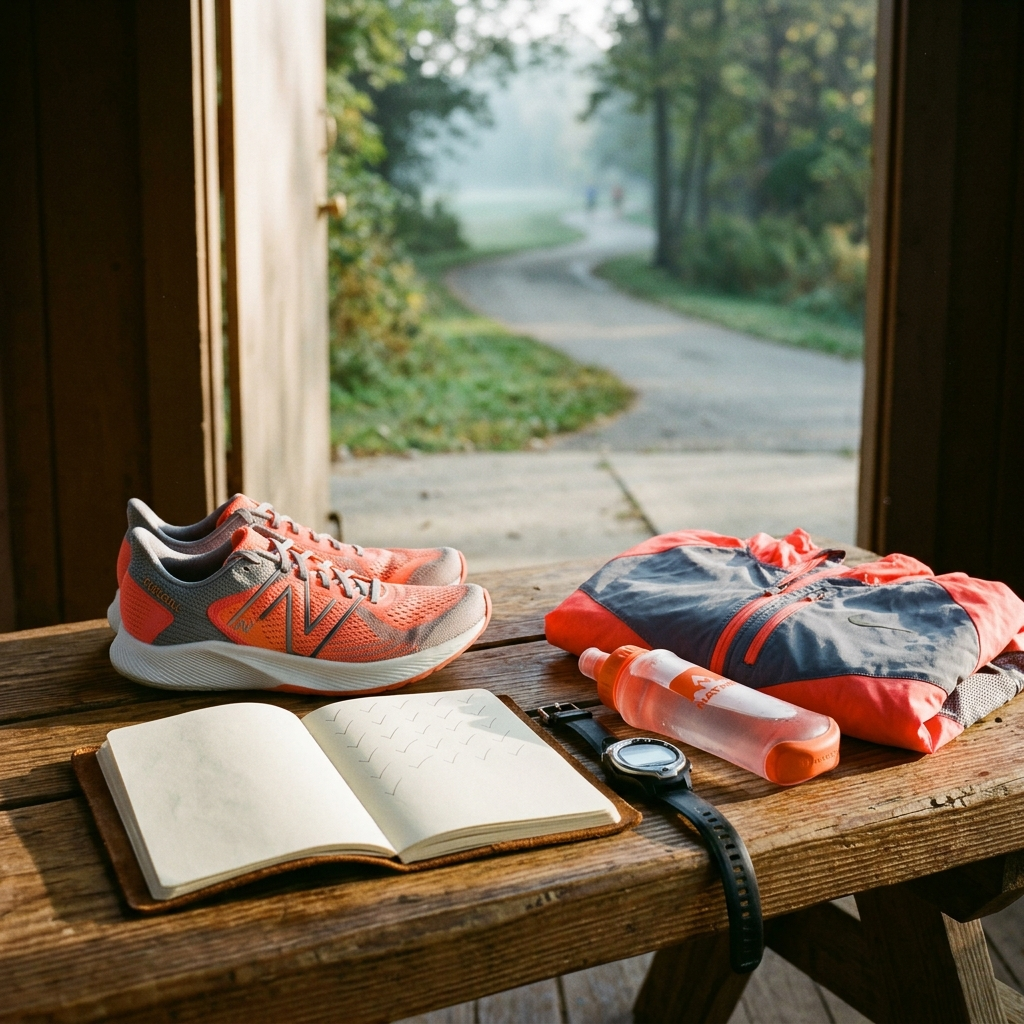
- Proper Footwear: Run in dedicated running shoes that provide appropriate cushioning and support for road impact.
Conclusion: Completing Your 5K Milestone
Completing a 5K within four weeks requires steady pacing, progressive intervals, and consistent rest. By following a structured plan and monitoring your metrics, you can build endurance and cross the 3.1-mile finish line safely. Open Runly: Running Tracker, set your weekly goals, and begin Week 1 with a clear plan.
Frequently Asked Questions
Yes, provided you have a basic fitness foundation, such as the ability to walk briskly for 30 minutes. A structured walk-run program builds aerobic endurance gradually while minimizing joint strain.
Three running sessions per week provide an optimal balance of aerobic training stimulus and necessary recovery between workouts.
Yes. Alternating running and walking is a proven strategy that manages heart rate, controls exertion, and helps many runners complete the distance comfortably.