Top Budgeting and Expense Tracking Apps for Couples: Managing Joint Finances Effectively

Budgeting as a couple requires transparent communication, consistent categories, and an accurate record of shared expenses. The most practical workflows combine broad allocation models with receipt-level tracking to avoid discrepancies in joint accounting. By capturing paper receipts, checking extracted details, and reviewing monthly summaries, partners can keep household finances organized and clear.
The Shared Expense Dilemma for Modern Couples
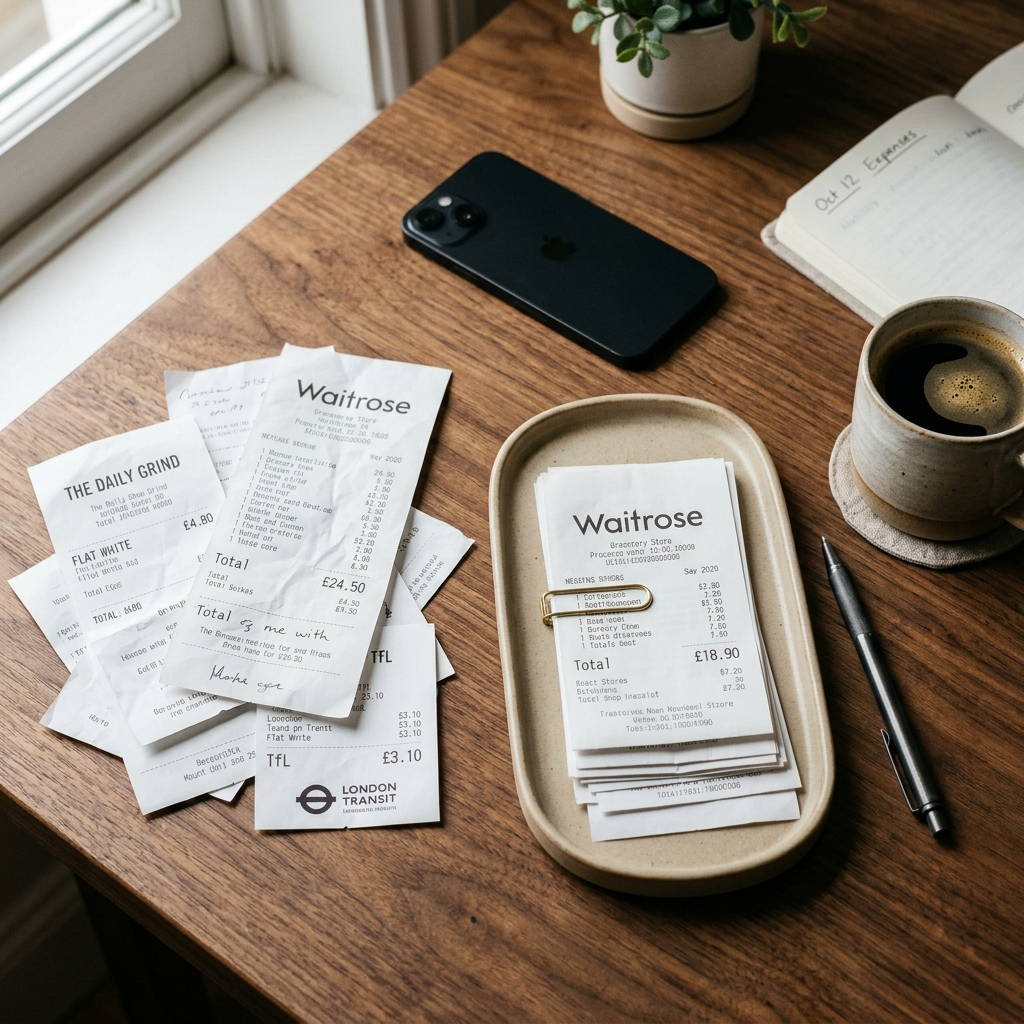
Managing shared household spending introduces challenges that individual budgeting rarely presents. Discretionary cash purchases, paper receipts from local shops, and split payments frequently lead to mismatched totals at the end of the month. When partners rely on memory or unorganized paper trails, expense reconciliation often results in missed entries and uneven contributions.
A frequent misstep is monitoring only overall bank balances rather than itemized transactions. Without categorizing purchases, couples struggle to evaluate variable costs such as groceries, household supplies, and dining out. Recording transactions consistently clarifies spending before it strains the household budget.
Key takeaway: Practical joint expense management relies on an accurate, continuous log of shared purchases rather than periodic guesswork.
Core Methods for Structuring Joint Finances
Before choosing software tools, couples need to agree on how to handle shared cash flow. Most households adopt one of three practical models:
- The Full Co-Mingling Model: All income flows into shared accounts, and both partners pay all individual and household costs from this pool.
- The Proportional Contribution Model: Each partner keeps separate accounts while contributing a set percentage of their income toward shared living expenses.
- The Fixed Equal Split Model: Both partners contribute identical dollar amounts toward shared living costs, keeping any remaining income in individual accounts.
Regardless of the model, day-to-day purchases paid with cash, paper receipts, or separate cards still require documentation. Recording the merchant, total, and category ensures that reimbursements and ledger adjustments remain fair.
Key takeaway: Establish an agreed contribution structure first, then track physical and digital purchases to keep the ledger balanced.
Essential Features to Look for in Couples Expense Tracking Apps
Couples reviewing expense trackers should focus on features that reduce manual data entry while maintaining record accuracy. Focused expense tracking tools provide a direct, low-overhead way to log daily spending.
Accurate Receipt Capture and Verification
Paper receipts make up a substantial share of variable household spending, especially for groceries, dining, and home supplies. Mobile scanners allow users to photograph paper receipts and capture transaction details automatically. Because optical character recognition can misread faded ink or complex layouts, reviewing and editing the extracted merchant, date, and total before saving is essential.
Organized Categories and Searchable Archives
Shared tracking requires agreed-upon categories, such as groceries, utilities, and home maintenance. A searchable history helps partners locate past transactions quickly when checking warranty details, managing returns, or reviewing prior costs.
Visual Monthly Summaries and Spending Trends
Detailed lists of transactions do not always highlight broader patterns. Expense trackers with spending charts and monthly summaries help couples see where money went and assess spending against their monthly plans. Reviewing these summaries together provides a factual foundation for regular budget discussions.
Key takeaway: Look for tools that offer reliable receipt capture, manual data verification, clear categories, and monthly visual summaries.
Using Receiptly to Manage Household Receipts and Shared Outlays
For couples who want an expense organizer focused on receipts rather than linked bank accounts, Receiptly: Receipt Scanner offers a straightforward option. The app allows users to photograph paper receipts, review the extracted merchant name, date, and total, and save organized expense records.
Because AI extraction can make mistakes depending on print quality and lighting, users should always check the extracted results against the original paper receipt before saving. Verifying these details keeps household records dependable.
Couples can use Receiptly to maintain a verified household expense log:
- Scan Receipts Promptly: Photograph paper receipts after shared shopping trips, pharmacy visits, or home improvement runs.
- Check Extracted Details: Review the merchant name, date, and total against the paper slip, correcting any extraction errors before saving.
- Assign a Category: Select an agreed category to keep shared variable expenses organized.
- Search Past Records: Use the searchable receipt history to locate past purchases or verify previous prices.
- Review Spending Charts: Consult monthly summaries and spending charts during budget discussions to track category totals.
Note: Some features require an in-app purchase. Review the available features and purchase terms in the app before buying.
Key takeaway: Combining automated receipt capture with manual verification creates an accurate, reliable record of shared household spending.
A 4-Step Routine for Stress-Free Monthly Financial Reviews
Software is most effective when paired with a steady routine. Setting a predictable schedule to review household expenses helps resolve small discrepancies before they become recurring issues.
- Capture Purchases Promptly: Digitize paper receipts the day they are received, keeping or discarding the paper slip once the digital entry is confirmed.
- Designate an Organizer: Assign one partner to manage the primary log, or rotate responsibility each month to share the task evenly.
- Review Monthly Summaries: Set aside twenty to thirty minutes at the end of each month to review category totals and spending charts against household targets.
- Reconcile Shared Balances: If using a split or proportional model, calculate any shared reimbursements using the verified totals and settle the difference directly.
Key takeaway: Regular monthly reviews based on verified transaction records keep financial check-ins brief, factual, and constructive.
Selecting the Right Workflow for Your Household
Every household has distinct financial priorities. Some couples prefer broad spending allowances, while others track detailed receipts for shared household projects, healthcare costs, or tax records. Establishing a clear agreement on contributions and maintaining verified spending records helps couples keep their joint finances organized and transparent.